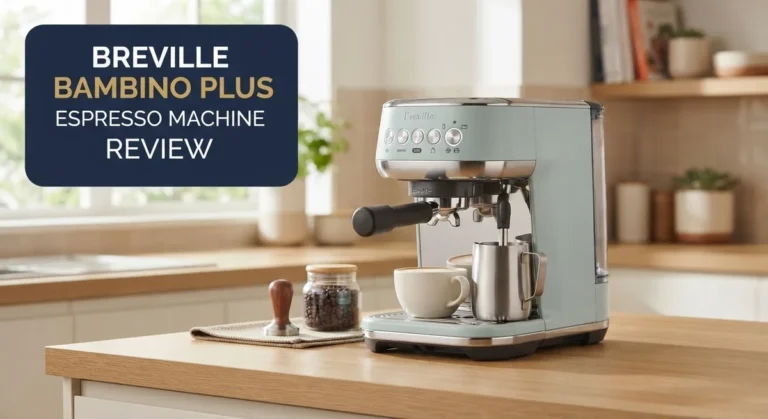
Breville Bambino Espresso Machine Review: Worth Your Money?
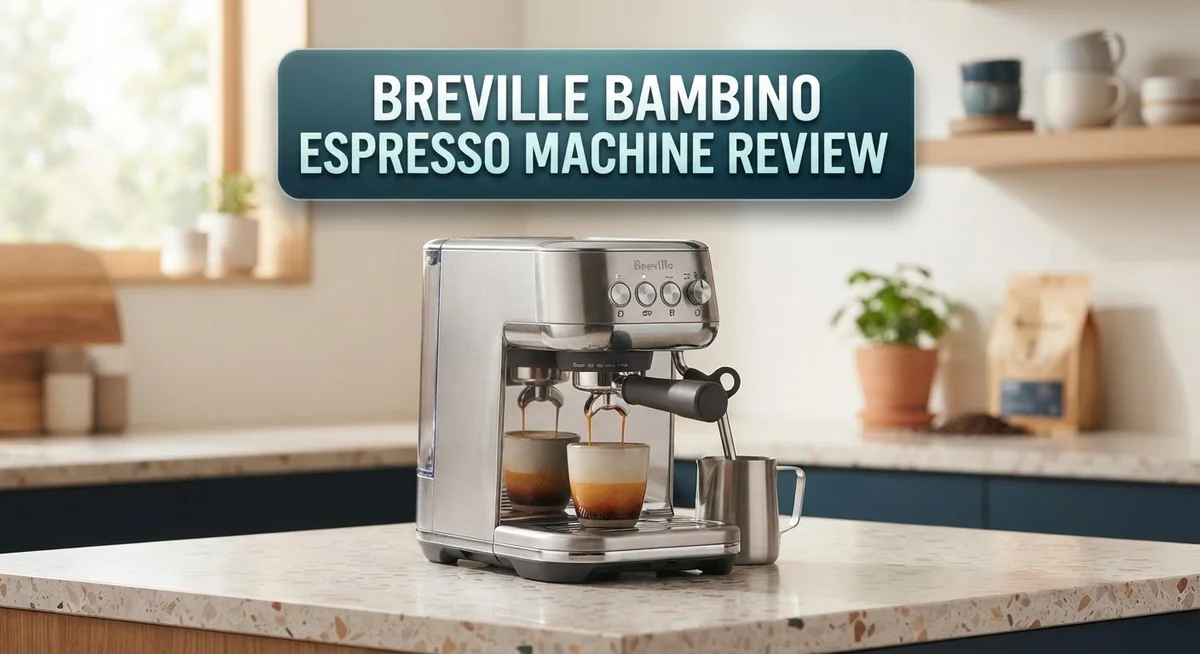
Craving café style espresso at home? The Breville Bambino might be your answer. This small machine packs a big punch for coffee lovers.
Many people want great espresso without a huge machine on their counter. The Bambino solves this problem. It fits in tiny kitchens but still makes strong, tasty shots.
This machine heats up in just 6 seconds. You can brew your coffee fast, even on busy mornings. No more long waits before your first sip.
The Bambino also keeps temperature steady during brewing. This means your espresso tastes consistent every time. It uses a smart pre-infusion function too. This step helps pull more flavor from your coffee grounds.
There is also a Bambino Plus version. It adds automatic milk frothing for creamy lattes and cappuccinos. This saves you time and effort each day.
In this review, we will look closely at features, performance, and everyday use. We will also compare it with other popular machines. By the end, you will know if this little machine fits your coffee routine.
In a Nutshell
Here is what you need to know about the Breville Bambino at a glance:
-
Small size, big performance. This machine fits into tight kitchen spaces without giving up power.
-
Barista style shots at home. The pre-infusion function pulls out rich flavor from your coffee grounds.
-
Steam wand strength. The wand froths milk fast, giving you creamy texture for lattes and cappuccinos.
-
Plus model adds convenience. The Bambino Plus offers automatic milk frothing, so you skip manual steps.
-
Maintenance matters. Regular cleaning and descaling keep this machine running well over time.
-
Mixed quality control. Some buyers report inconsistent unit quality, so check your machine on arrival.
-
Strong competition exists. Machines like the Gaggia Classic Pro and Miicoffee Apex V2 offer similar features.
This machine suits people who want quick, consistent espresso without a steep learning curve. It works well for daily use in small kitchens or offices.
Build Quality and Design
The Breville Bambino impresses with its compact stainless steel construction. This machine measures small enough to fit most kitchen counters without dominating your space. The exterior feels solid and well-made, with brushed stainless steel panels that resist fingerprints.
The portafilter stands out as a key design feature. Breville equipped it with a 54mm stainless steel body, which is standard in professional cafes. The 18g basket fits this portafilter perfectly, giving you consistency between shots. This size matters because it matches what baristas use daily.
The machine’s footprint stays minimal, yet the internal components pack real power. The solenoid valve sits inside and controls water flow with precision. This valve helps deliver steady pressure during extraction, which pulls better flavor from your grounds. The heating element warms up fast without sacrificing durability.
Steam wand design differs between models. The standard Bambino includes a manual steam wand with solid construction. The Plus version adds an automatic milk frothing system that simplifies milk preparation. Both versions deliver strong steam pressure needed for thick microfoam.
The 48oz water reservoir on the standard model keeps refilling simple. The Plus model bumps this up to 64oz, reducing how often you need to fill it. The reservoir sits at the back and doesn’t interrupt your workflow.
One design consideration involves maintenance access. Regular cleaning and descaling keep internal parts functioning well. Breville built the machine so you can reach key areas without special tools. The company includes cleaning alerts to remind you when maintenance is due.
Some buyers report quality control inconsistencies. You may notice slight variations between units, so inspect your machine when it arrives. Check that all connections feel tight and the portafilter sits flush in the group head.
The overall aesthetic fits modern kitchens. The compact design appeals to apartment dwellers and anyone with limited counter space. The machine looks professional enough to sit on display without appearing out of place.


Last update on 2026-07-16 / Affiliate links / Images from Amazon Product Advertising API
Heating Speed and Temperature Consistency
The Breville Bambino heats up faster than most home espresso machines. You get a shot ready in just 6 seconds on the standard model. This speed matters because you don’t stand around waiting for your morning coffee.
Temperature consistency is where this machine truly shines. The solenoid valve works hard to maintain steady heat during extraction. Your espresso pulls taste the same whether it’s your first shot or your fifth. This reliability comes from Breville’s engineering, not luck.
The Plus model takes slightly longer to warm up at 16 seconds. This trade off happens because the automatic milk frother adds complexity to the heating system. Most users find 16 seconds still incredibly fast compared to traditional machines.
Pre infusion technology plays a big role in heat management. The machine slows water flow at the start of brewing. This gentle pressure lets coffee grounds bloom and release flavor. Heat stays consistent throughout this process, which affects your final cup quality.
Water temperature stays locked in during steam wand use. You can froth milk without waiting for the machine to reheat. The 48oz reservoir on the standard model holds enough water for multiple drinks. Refilling happens less often, so interruptions stay minimal.
One thing to watch involves descaling alerts. The machine tracks mineral buildup and tells you when cleaning is needed. Regular maintenance keeps temperature sensors accurate. Skipping descaling can lead to temperature swings over time.
Some owners report that their machines run slightly hotter or cooler than expected out of the box. This quality control variation affects consistency in early shots. Running a few test pulls helps you dial in your grind size.
The heating system responds quickly to pressure changes. Steam production stays powerful even after pulling multiple shots. This responsiveness makes workflow smooth when making drinks back to back.
Overall, the Bambino’s heating speed and temperature stability put it ahead of many competitors in its category. You get professional level temperature control in a compact package. This combination makes home espresso brewing feel less like a guessing game and more like a repeatable skill.
Espresso Performance and Extraction
The Breville Bambino pulls espresso shots that rival what you’d get from a professional café. The 54mm stainless steel portafilter with an 18g basket gives you room to work with quality coffee grounds. This size strikes a balance between control and ease of use for home baristas.
Pre-infusion technology is where the Bambino really shines. This function slowly saturates your coffee grounds before full pressure kicks in. The result is deeper flavor extraction and a richer crema layer on top of your shot. You notice the difference immediately in your cup.
The machine maintains excellent temperature stability throughout your brewing session. Water stays at the right heat even when you switch between pulling shots and steaming milk. This consistency means your espresso tastes the same whether it’s your first cup or your fifth.
Extraction speed matters too. The Bambino delivers a full shot in about 25 to 30 seconds once you start pulling. The solenoid valve responds quickly to pressure changes, giving you precise control over flow rate. You can dial in your grind size and tamp pressure to match your specific beans.
One thing to watch involves the learning curve. New users sometimes pull thin shots initially because the basket size requires proper technique. Spend time getting your grind and tamp right, and you’ll unlock consistent results.
The Plus model performs identically to the standard version when it comes to shot quality. The only difference is the automatic milk frothing system, which doesn’t affect espresso extraction. Both models use the same heating element and pressure system.
Some owners report minor variations between units when they first arrive. Temperature might run slightly hot or cool out of the box. A quick test shot or two helps you understand your specific machine’s behavior before dialing in your workflow.
Overall, the Bambino extracts espresso that matches machines costing significantly more. The combination of fast heat-up, stable temperature, and pre-infusion technology creates shots with excellent body and flavor. This is genuine café-quality espresso in a compact form.
Top 3 Alternatives
DeLonghi Dedica Espresso

Last update on 2026-07-01 / Affiliate links / Images from Amazon Product Advertising API
The DeLonghi Dedica offers compact design without sacrificing power. This machine features a 15-bar pump that delivers consistent pressure for quality shots. The steam wand heats up quickly, letting you froth milk in seconds.
You get a built-in grinder with 16 settings. The water tank holds enough for multiple drinks. The automatic cappuccino system makes milk-based beverages simple. Cleanup is straightforward with the removable drip tray and group head.
Gaggia Classic Pro

Last update on 2026-08-29 / Affiliate links / Images from Amazon Product Advertising API
The Gaggia Classic Pro brings professional-grade performance to home baristas. Its solid brass group head maintains heat stability during extraction. The 9-bar pump produces rich crema on espresso shots.
This machine heats water quickly for back-to-back drinks. The steam wand generates powerful pressure for milk frothing. You’ll appreciate the simple controls and manual operation. Many users upgrade components easily since parts are widely available.
Roka Espresso Machine

Last update on 2026-09-19 / Affiliate links / Images from Amazon Product Advertising API
Roka machines emphasize user-friendly operation for beginners and enthusiasts alike. These units feature reliable heating systems and consistent water temperature. The pressure profile supports smooth extraction without complexity.
Build quality stands out with durable materials throughout. The ergonomic design fits comfortably in most kitchen spaces. Steam wand performance handles milk frothing effectively. Maintenance remains simple with straightforward cleaning procedures and accessible internal components.
Each option provides different strengths. The DeLonghi excels at convenience. The Gaggia appeals to hands-on users. Roka focuses on reliability and ease. Your choice depends on whether you prioritize automation, control, or simplicity.
Milk Frothing and Steam Capabilities
The Breville Bambino’s milk frothing and steam capabilities split into two distinct experiences depending on which model you choose. The standard version features a manual steam wand that gives you full control over your milk texture. You position the wand at different depths to create microfoam, and the learning curve exists but remains manageable with a few practice runs.
The Plus model takes a different approach with its automatic milk frothing system. This feature handles the entire process for you. You insert the milk jug, press a button, and the machine froths while you prepare your next shot. This hands off approach works well if you want consistency without the skill development.
Both models use a powerful steam function that generates impressive pressure. The steam wand heats milk quickly without excessive time spent waiting. Temperature control stays stable even when you switch between espresso brewing and steaming. This matters because many budget machines struggle with temperature swings during steam mode.
One practical consideration involves steam wand design. The standard model’s wand sits at an angle that takes some getting used to. You’ll need to find the right positioning for your pitcher. The Plus model’s automatic system eliminates this adjustment period entirely.
Cleaning the steam wand requires attention on both versions. Milk residue builds up quickly, and regular purging keeps performance optimal. The machine alerts you when descaling is needed, which helps prevent mineral buildup that affects steam quality.
Real world results show that both versions produce quality microfoam suitable for latte art and cappuccinos. The standard model demands more technique but rewards practice with professional results. The Plus model delivers consistency immediately without requiring barista skills.
If you prioritize speed and convenience, the automatic system appeals strongly. If you enjoy the hands on process and want to develop steaming skills, the manual wand serves that purpose well. Either way, the Bambino’s steam capabilities punch above what you’d expect from such a compact machine. The performance here matches machines with much larger footprints.
Maintenance and Cleaning Requirements
Keeping your Breville Bambino in top shape requires consistent attention to a few key areas. The machine alerts you when descaling is needed, which takes the guesswork out of maintenance timing.
Daily cleaning starts with purging the group head before each use. Run water through the portafilter without coffee grounds to clear any residue. This simple step prevents buildup and keeps your shots tasting fresh. After you finish brewing, backflush the group head several times. The solenoid valve makes this process quick and effective.
The portafilter and basket need attention after every session. Remove grounds immediately and rinse both parts under hot water. A small brush helps dislodge stubborn coffee particles from the 54mm portafilter basket. Let them air dry before your next use. This prevents corrosion and keeps your equipment looking new.
Steam wand cleaning demands extra care on both the standard and Plus models. Wipe the wand with a damp cloth right after steaming milk. Milk residue hardens quickly and becomes difficult to remove later. For deeper cleaning, soak the wand tip in hot water for a few minutes. A small pipe cleaner works well for clearing the internal channels.
Descaling happens roughly every two to three months, depending on your water hardness. The Breville descaling solution works best for this machine. The process takes about 15 minutes and involves running the solution through the group head and steam wand. Follow the on screen prompts carefully. Rinse thoroughly with fresh water afterward to remove all descaling solution.
Water reservoir maintenance is straightforward but important. Empty and rinse the tank weekly to prevent mineral deposits and mold growth. The 48oz standard reservoir or 64oz Plus tank should stay clean and dry between uses.
The machine’s alerts keep you informed about descaling needs. Pay attention to these notifications rather than ignoring them. Regular maintenance extends machine life and ensures consistent espresso quality. Neglecting these steps leads to temperature fluctuations and poor shot extraction over time.
Pros and Cons
Pros
- Compact design fits easily on small counters without taking up much space
- Heats up in just 6 seconds, so you brew espresso fast
- Pulls shots that match machines costing far more money
- Automatic milk frothing system on Plus model saves time and effort
- Pre-infusion technology extracts rich flavor from every shot
Cons
- Some owners report quality control issues between different units
- Requires regular descaling every two to three months depending on water hardness
- Manual steam wand on standard model needs careful cleaning after each use
Who Should Buy It
The Breville Bambino works best for people who want espresso without sacrifice. If you live in a small apartment or have limited counter space, this machine is ideal. It takes up minimal room while delivering professional-quality shots.
Speed matters to you? The 6-second warm-up time means you brew espresso in seconds, not minutes. This machine suits busy mornings and people who want quick caffeine hits without waiting around.
Home baristas who care about shot quality should consider this model. The 54mm portafilter and 18g basket pull espresso that rivals machines from specialty cafes. You get consistent temperature control and pre-infusion technology that extracts rich flavor from every shot.
The standard model appeals to espresso purists. If you enjoy manual milk steaming and want hands-on control over your microfoam, this version gives you that experience. You’ll develop real barista skills while making lattes and cappuccinos.
The Plus model suits people who want convenience. Automatic milk frothing saves time when you’re making multiple drinks. You skip the learning curve of manual steaming and still get quality microfoam for latte art.
This machine works for people committed to maintenance. You need to descale regularly and clean the steam wand after every use. If you’re willing to put in that effort, you’ll keep the machine running smoothly.
People new to espresso should know this machine has a learning curve. Dialing in grind size and tamping pressure takes practice. However, the Bambino’s forgiving nature makes it easier than many other machines.
Skip this machine if you want a fully automatic experience with minimal effort. You still need to grind beans, distribute grounds, and tamp shots on the standard model. The Plus model automates milk only, not espresso preparation.
Quality conscious buyers should research current user reports. Some owners report occasional quality control issues. Reading recent reviews helps you make an informed decision about whether this machine suits your needs and expectations.
Final Verdict
The Breville Bambino earns its spot among top espresso machines for small kitchens. It delivers consistent shots without a steep learning curve for most users.
Compared to the Gaggia Classic Pro, the Bambino feels more beginner friendly. The Gaggia demands more hands on skill, while the Bambino automates key steps.
Against the Miicoffee Apex V2, the Bambino holds its own on build quality and shot consistency. Both machines target similar users, but the Bambino’s compact design gives it an edge for tight spaces.
The Roka Espresso Machine offers similar features, yet many users find the Bambino’s interface simpler to understand right away.
This machine suits people who want real espresso quality without a complicated setup. It fits busy mornings and small kitchens equally well.
Who should buy it?
Buy the standard model if you enjoy manual milk steaming and want full control over your drink. Buy the Plus model if you prefer automation and consistent froth every time.
Who should skip it?
Skip this machine if quality control concerns worry you. Some buyers report inconsistent units, so check current reviews before you decide.
Skip it too if you dislike routine upkeep. This machine rewards regular care, not neglect.
Overall, the Breville Bambino performs like a machine twice its size. It brings café style espresso home without demanding a large counter or steep learning curve.
The final word: This machine works best for people who want speed, quality and simplicity in one small package. It may not suit total beginners who want a hands off experience, but it rewards anyone willing to learn a few basics.
For most home users chasing real espresso flavor with minimal fuss, the Breville Bambino remains a smart pick worth serious consideration.
Frequently Asked Questions
Does the Breville Bambino work for espresso beginners?
Yes, but with a caveat. The machine pulls excellent shots quickly, which helps beginners see results fast. However, you’ll need to learn proper tamping, grind size, and milk steaming techniques.
The standard model requires manual steam wand operation. This means you control milk frothing by hand, which takes practice. The Plus model removes this barrier with automatic milk frothing, making it friendlier for newcomers.
Expect a learning curve of a few weeks. Once you master the basics, you’ll produce café quality drinks at home.
How often do you need to clean and descale this machine?
Descaling depends on your water hardness. Most owners descale every two to three months. Hard water areas may need it more frequently.
The machine sends you alerts when descaling is due. Regular cleaning after each shot keeps the group head and portafilter free from coffee oils. This maintenance routine keeps your espresso tasting fresh and prevents buildup.
Skip this machine only if you want zero maintenance.
What’s the difference between the standard and Plus models?
The standard model heats up in 6 seconds and uses a manual steam wand. You control milk frothing yourself, which gives you precision but requires skill.
The Plus model warms up in 16 seconds and includes an automatic milk frothing system. This feature froths milk hands free, saving time during your morning routine. The Plus also has a larger 64oz reservoir versus the standard’s 48oz tank.
Choose the standard if you enjoy manual control. Pick the Plus if convenience matters more.
Can the Breville Bambino match expensive espresso machines?
Absolutely. The 54mm stainless steel portafilter and solenoid valve deliver temperature consistency that rivals machines costing significantly more. The pre infusion function extracts rich flavor from every shot.
Many users report pulling shots that taste identical to café espresso. The compact size doesn’t compromise performance. You get barista quality results in a machine that fits small kitchens.

Hello! I’m Eloise Wilson, the culinary enthusiast behind SimplyCookings. Cooking is my canvas and flavors are my palette. I’m here to share easy-to-follow recipes and kitchen wisdom that will make your cooking journey joyful and delicious. Join me and let’s turn everyday meals into extraordinary experiences!