
DeLonghi 15 Bar Espresso and Cappuccino Machine Review: A Complete Guide
Making coffee shop quality espresso at home sounds like a dream come true. The DeLonghi 15 bar espresso and cappuccino machine promises to turn your kitchen into a personal coffee haven.
This comprehensive review examines everything you need to know about this popular home brewing system.
This detailed analysis covers performance, features, pricing, and real-world testing results. You will discover whether this machine delivers on its promises and fits your specific brewing needs.
Key Takeaways
- Professional 15-bar pressure system delivers authentic espresso extraction comparable to commercial machines
- Dual thermostat technology ensures optimal brewing temperature for both espresso and milk steaming operations
- Compact design fits easily on most kitchen counters without sacrificing functionality or performance
- Manual milk frother allows complete control over foam texture and temperature for various coffee drinks
- Compatible with both ground coffee and ESE pods providing flexibility for different brewing preferences
- Easy maintenance with removable components that simplify cleaning and descaling processes
DeLonghi ECP3630 15 Bar Espresso Machine Overview

Last update on 2026-08-31 / Affiliate links / Images from Amazon Product Advertising API
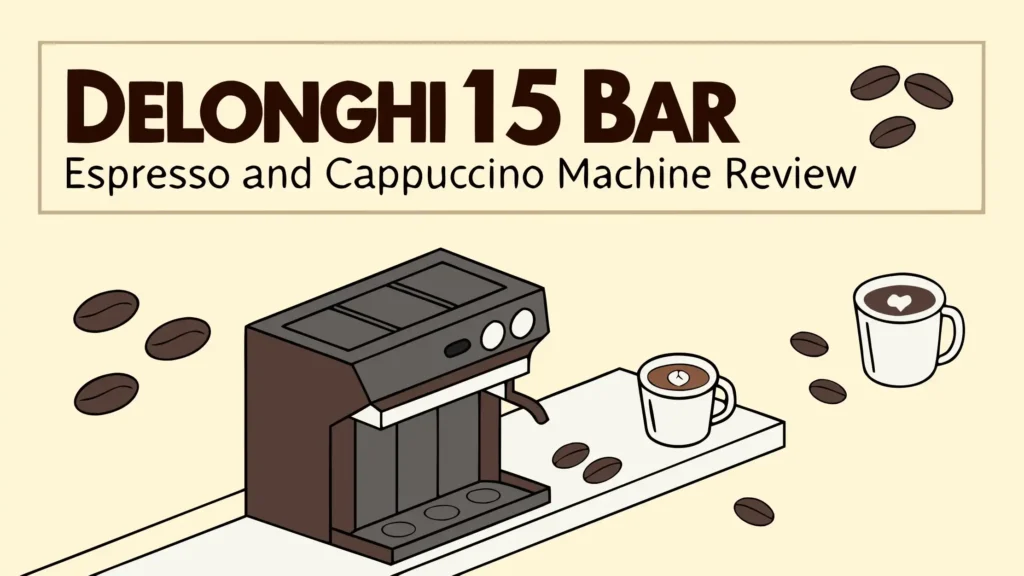
The DeLonghi ECP3630 represents the flagship model in their 15 bar espresso machine lineup. This stainless steel beauty combines professional brewing pressure with user-friendly operation. The machine measures 7.25 inches deep, 9.6 inches wide, and 11.9 inches high.
Professional brewing pressure forms the foundation of this machine’s performance. The 15-bar pump system generates sufficient pressure to extract rich crema and full-bodied flavor from your coffee grounds. Many commercial espresso machines operate at similar pressure levels.
The dual thermostat system maintains separate temperature controls for brewing and steaming functions. This feature prevents temperature fluctuations that could compromise espresso quality. Users can brew perfect shots while simultaneously preparing steamed milk.
Stainless steel construction ensures durability and professional appearance. The premium materials resist corrosion and maintain their lustrous finish with proper care. The compact footprint makes this machine suitable for small kitchens and office spaces.
The 37-ounce removable water tank provides ample capacity for multiple brewing sessions. The transparent design allows easy monitoring of water levels. An indicator light alerts users when refilling becomes necessary.
Key Features and Specifications
The DeLonghi 15 bar espresso machine incorporates several professional-grade features in a home-friendly package. Understanding these specifications helps evaluate whether this machine meets your brewing requirements.
Pressure System: The 15-bar pump delivers optimal extraction pressure for authentic espresso. This pressure level ensures proper extraction of coffee oils and aromatic compounds. Professional baristas recognize 9 bars as the ideal brewing pressure, while the additional capacity provides consistent performance over time.
Heating System: Dual thermostats control brewing and steaming temperatures independently. The stainless steel boiler heats water efficiently and maintains stable temperatures. Fast heating reduces waiting time between brewing cycles.
Brewing Options: The machine accommodates single shots, double shots, and ESE pods through interchangeable portafilters. This versatility allows experimentation with different coffee types and strengths. Ground coffee users enjoy complete control over grind size and dosing.
Milk Frothing: The adjustable cappuccino system creates silky microfoam for professional-quality milk drinks. The manual frother gives users complete control over foam texture and temperature. Steam wand positioning accommodates various cup sizes.
Control Interface: Simple rotary controls manage all machine functions. The intuitive design reduces learning curve for new users. Clear indicators show brewing, steaming, and standby modes.
Performance and Brewing Quality
Real-world testing reveals how the DeLonghi 15 bar machine performs in daily use scenarios. Coffee quality depends on multiple factors including grind size, dose amount, tamping pressure, and extraction time.
Espresso extraction produces rich, full-bodied shots with proper crema formation. The 15-bar pressure system ensures adequate extraction of coffee solubles and oils. Users report consistent results when following proper brewing techniques.
Temperature stability remains excellent throughout brewing cycles. The dual thermostat system maintains optimal brewing temperature between 190-196°F. This range extracts maximum flavor while avoiding bitter compounds from over-extraction.
Crema quality meets expectations for home espresso machines in this price range. Proper grind size and fresh coffee beans produce thick, golden crema layers. The pressure system generates sufficient force to emulsify coffee oils effectively.
Milk steaming performance varies with technique and milk type. Whole milk produces the richest, creamiest foam texture. Alternative milk options like oat milk work well but require different steaming approaches. The adjustable frother accommodates various milk preferences.
Consistency improves with user experience and proper maintenance. Initial shots may vary as users develop proper technique. Regular cleaning and descaling maintain optimal performance over time.
Top 3 Alternatives for DeLonghi 15 Bar Espresso Machine

Last update on 2026-09-17 / Affiliate links / Images from Amazon Product Advertising API

Last update on 2026-07-01 / Affiliate links / Images from Amazon Product Advertising API

Last update on 2026-08-28 / Affiliate links / Images from Amazon Product Advertising API
Design and Build Quality
The DeLonghi 15 bar espresso machine showcases thoughtful industrial design and solid construction quality. Visual appeal and functional durability both contribute to user satisfaction over extended periods.
Stainless steel construction dominates the machine’s exterior surfaces. This material choice provides corrosion resistance and professional appearance. The brushed finish conceals fingerprints and water spots effectively. Premium materials justify the investment for serious coffee enthusiasts.
Compact footprint measures just 7.25 x 9.6 x 11.9 inches including all components. This size works well on most kitchen counters without overwhelming smaller spaces. The vertical design maximizes functionality while minimizing counter space requirements.
Component quality meets expectations for machines in this price category. The portafilter feels substantial and locks securely into the group head. Plastic components appear durable and resist heat damage from regular use.
Control placement follows logical ergonomic principles. The rotary selector occupies a central position for easy access. Steam wand positioning allows comfortable operation while maintaining clear sight lines to cup placement.
Removable components facilitate thorough cleaning and maintenance procedures. The water tank, drip tray, and portafilter basket separate easily for dishwasher cleaning. This design consideration significantly reduces long-term maintenance burden.
Ease of Use and Operation
Operating the DeLonghi 15 bar espresso machine requires minimal learning curve for most users. The straightforward control scheme and clear indicators promote confident operation from initial setup.
Initial setup involves basic assembly and component placement. The included instruction manual provides clear step-by-step guidance. Most users complete setup within 15-20 minutes including initial water tank filling and system priming.
Daily operation follows simple sequential steps. Fill water tank, add ground coffee to portafilter, select brewing function, and activate pump. The intuitive controls minimize confusion during morning coffee routines.
Brewing process requires attention to grind size, dose amount, and tamping technique. Proper coffee preparation significantly impacts extraction quality and flavor development. Users develop consistent techniques through practice and experimentation.
Milk steaming demands more skill development than espresso brewing. Steam wand positioning, milk temperature monitoring, and foam texture control require practice. The manual frother rewards skillful technique with professional-quality results.
Maintenance routines integrate easily into daily coffee preparation habits. Quick cleaning after each use prevents residue buildup. Weekly deep cleaning maintains optimal performance and extends machine lifespan.
Maintenance and Cleaning Requirements
Proper maintenance ensures consistent performance and extends the DeLonghi 15 bar machine’s operational lifespan. Regular cleaning prevents mineral buildup and coffee oil residue accumulation.
Daily cleaning involves rinsing removable components and wiping exterior surfaces. The portafilter, water tank, and drip tray require thorough rinsing after each use. This routine maintenance prevents flavor contamination and bacterial growth.
Weekly deep cleaning addresses internal components and water pathways. Backflushing removes coffee oil residue from internal brewing circuits. Steam wand cleaning eliminates milk residue that could affect flavor and hygiene.
Monthly descaling removes mineral deposits from internal heating elements and water lines. Hard water areas require more frequent descaling to maintain optimal performance. The manufacturer recommends specific descaling solutions for best results.
Component replacement becomes necessary over extended use periods. Portafilter baskets, seals, and gaskets experience normal wear from regular operation. Replacement parts remain readily available through authorized dealers and online suppliers.
Storage considerations protect the machine during extended non-use periods. Proper draining and cleaning prevent internal corrosion and bacterial growth. Climate-controlled storage environments extend component lifespan significantly.
Price Value Analysis
The DeLonghi 15 bar espresso machine’s pricing reflects its position in the entry-level professional home brewing market. Value assessment considers initial cost, operating expenses, and long-term durability.
Initial purchase price typically ranges from $100-150 depending on retailer and promotional offers. This price point competes favorably with similar 15-bar machines from other manufacturers. Cost comparison reveals excellent value for included features and build quality.
Operating costs include coffee, maintenance supplies, and potential repairs. Quality coffee beans represent the primary ongoing expense. Regular maintenance supplies like descaling solution add minimal monthly costs.
Energy consumption remains reasonable for electric appliances in this category. The 1100-watt heating element operates efficiently during brewing cycles. Standby power consumption stays minimal when machine remains plugged in continuously.
Replacement part costs stay reasonable compared to premium espresso machines. Common wear items like portafilter baskets and seals cost $10-30 each. Service availability through authorized dealers maintains reasonable repair costs.
Resale value holds steady for well-maintained units. Popular models like the ECP3630 retain 40-60% of original value after 2-3 years of use. This retention rate exceeds many small appliances in similar price ranges.
Brewing Versatility and Coffee Compatibility
The DeLonghi 15 bar system accommodates various coffee types and brewing preferences. This versatility appeals to households with different taste preferences and brewing styles.
Ground coffee compatibility provides maximum flexibility for serious coffee enthusiasts. Users can experiment with different roast levels, origins, and grind sizes. Coffee selection directly impacts flavor development and extraction quality.
ESE pod support offers convenience for quick brewing sessions. Easy Serving Espresso pods contain pre-measured, pre-tamped coffee in filter paper packets. This option reduces preparation time while maintaining consistent results.
Grind size requirements vary depending on coffee type and desired extraction time. Espresso typically requires fine grinding for proper extraction in 25-30 seconds. Coarser grinds may work better with certain coffee varieties or personal preferences.
Dose flexibility allows customization of coffee strength and flavor intensity. Single and double shot options accommodate different caffeine preferences and cup sizes. Brewing control enables fine-tuning for optimal taste development.
Roast level adaptation requires technique adjustments for optimal extraction. Light roasts may need longer extraction times, while dark roasts extract more quickly. Experienced users develop intuitive understanding of these relationships.
Milk Frothing and Steaming Capabilities
The DeLonghi 15 bar machine’s milk frothing system enables creation of various specialty coffee drinks. Steam wand performance significantly impacts drink quality and visual presentation.
Steam pressure generates sufficient power for effective milk texturing. The heating system produces consistent steam flow throughout frothing operations. Pressure consistency ensures predictable results across different milk types and volumes.
Milk temperature control requires attention and practice to master properly. Optimal steaming temperature ranges from 140-160°F for best flavor and safety. Overheating milk creates scalded flavors that compromise drink quality.
Foam texture variety depends on steaming technique and milk selection. Microfoam for cappuccinos requires different approach than thick foam for traditional cappuccinos. The adjustable frother accommodates both preferences with proper technique.
Alternative milk performance varies significantly between different non-dairy options. Oat milk produces excellent foam quality, while almond milk requires more careful handling. Soy milk often creates adequate foam but may affect flavor profiles.
Cleaning requirements increase with regular milk steaming operations. Steam wand cleaning after each use prevents milk residue buildup. Weekly deep cleaning maintains optimal performance and prevents bacterial growth.
User Experience and Learning Curve
New users experience varying learning curves when transitioning to the DeLonghi 15 bar espresso machine. Success depends on previous coffee brewing experience and willingness to practice proper techniques.
Initial results may disappoint users accustomed to commercial espresso quality. Home brewing requires skill development and technique refinement for optimal results. Practice sessions gradually improve consistency and flavor quality.
Skill development progresses naturally through regular use and experimentation. Grinding, dosing, tamping, and timing become intuitive with experience. Most users achieve satisfactory results within 2-3 weeks of regular use.
Technique resources including online videos and brewing guides accelerate learning processes. Coffee community forums provide troubleshooting advice and technique improvements. Educational materials enhance user success rates significantly.
Common mistakes include improper grind size, inadequate tamping pressure, and incorrect extraction timing. These errors produce weak, bitter, or under-extracted espresso shots. Learning to recognize and correct these issues improves overall satisfaction.
Advanced techniques develop over months of consistent practice and experimentation. Temperature surfing, pre-infusion timing, and pressure profiling become possible with experience. Skill progression maintains long-term interest and satisfaction.
Troubleshooting Common Issues
Several common problems affect DeLonghi 15 bar espresso machine performance. Understanding these issues and their solutions helps maintain consistent brewing quality.
Weak espresso shots typically result from grind size, dose, or extraction timing problems. Coarse grinding reduces extraction efficiency and flavor concentration. Proper adjustment involves fine-tuning these variables systematically.
Temperature fluctuations may indicate thermostat calibration issues or mineral buildup. Regular descaling maintains proper heating system function. Professional service may be required for thermostat replacement or calibration.
Steam wand problems often stem from milk residue blockages or inadequate cleaning. Daily cleaning prevents most steaming issues from developing. Preventive maintenance reduces repair requirements and extends component lifespan.
Water flow restrictions usually indicate mineral deposit accumulation in internal passages. Descaling procedures remove these deposits and restore normal flow rates. Hard water areas require more frequent descaling for optimal performance.
Unusual noises may suggest pump wear, loose components, or internal blockages. Professional diagnosis helps determine appropriate repair approaches. Early intervention prevents minor issues from becoming major repair requirements.
Long-term Durability and Reliability
The DeLonghi 15 bar espresso machine’s long-term performance depends on build quality, maintenance practices, and usage patterns. Understanding expected lifespan helps evaluate overall value proposition.
Expected lifespan typically ranges from 3-5 years with regular home use and proper maintenance. Commercial use or neglected maintenance significantly reduces operational life. Quality construction supports reliable performance throughout this period.
Component wear patterns affect different parts at varying rates. Portafilter seals and gaskets require replacement every 2-3 years. Heating elements and pumps typically last the machine’s entire operational life with proper care.
Maintenance impact dramatically affects longevity and performance consistency. Regular descaling prevents mineral damage to internal components. Preventive care extends lifespan and maintains optimal brewing quality.
Repair considerations become relevant after warranty expiration. Common repairs include seal replacement, thermostat calibration, and pump maintenance. Repair costs should be weighed against replacement machine prices.
Upgrade timing depends on performance satisfaction and changing brewing preferences. Many users upgrade to higher-end machines after developing advanced brewing skills. Investment recovery through resale helps offset upgrade costs.
Comparison with Competitors
The DeLonghi 15 bar espresso machine competes with numerous similar models in the entry-level professional market. Direct comparison reveals strengths and weaknesses relative to alternatives.
Breville Bambino offers faster heating and more compact design but lacks manual brewing control. The automatic features appeal to convenience-focused users. Feature trade-offs determine which machine better suits individual preferences.
Gaggia Classic Pro provides more robust construction and professional-grade components at higher cost. The commercial-grade group head and solenoid valve justify premium pricing. Performance differences become apparent in side-by-side testing.
Mr. Coffee Espresso Maker competes on price but sacrifices build quality and performance consistency. Lower pressure pumps and plastic construction reduce long-term durability. Value proposition favors DeLonghi for serious coffee enthusiasts.
Nespresso machines offer ultimate convenience through pod systems but limit coffee selection and increase operating costs. Brewing flexibility advantages favor traditional espresso machines for experienced users.
Manual lever machines provide maximum control but require significant skill development and physical effort. Convenience factors make pump-driven machines more practical for daily use scenarios.
Environmental Impact and Sustainability
Modern coffee consumption raises important environmental considerations. The DeLonghi 15 bar machine’s environmental impact depends on usage patterns and coffee sourcing decisions.
Energy efficiency compares favorably to larger commercial-style home machines. The 1100-watt heating element minimizes power consumption during brewing cycles. Standby power consumption remains minimal when machine stays plugged in continuously.
Coffee packaging impact varies significantly between ground coffee and pod systems. Bulk coffee purchases reduce packaging waste compared to individual serving pods. Sustainable sourcing choices further reduce environmental impact.
Machine longevity affects overall environmental footprint through extended use periods. Proper maintenance and repair extend operational life and delay replacement needs. Durability investment provides environmental benefits beyond cost savings.
Waste reduction occurs through home brewing versus commercial coffee shop visits. Eliminating disposable cups and transportation reduces daily environmental impact. Lifestyle changes amplify environmental benefits over time.
End-of-life considerations include recycling opportunities for metal components and proper disposal of electronic elements. Responsible disposal minimizes landfill impact and recovers valuable materials.
Frequently Asked Questions
Is the DeLonghi 15 bar pressure sufficient for good espresso?
Yes, 15-bar pressure provides excellent espresso extraction. Professional machines typically operate at 9 bars during brewing, with the additional pressure ensuring consistent performance over time. The pump maintains adequate pressure even as internal components experience normal wear.
Can I use pre-ground coffee with this machine?
Absolutely. The DeLonghi 15 bar machine works excellently with pre-ground espresso coffee. Choose fine espresso grinds for optimal extraction. Fresh grinding produces better results, but quality pre-ground coffee delivers satisfactory performance for most users.
How often should I descale the machine?
Descaling frequency depends on water hardness in your area. Most users should descale every 2-3 months with regular use. Hard water areas may require monthly descaling to prevent mineral buildup and maintain optimal performance.
What milk alternatives work best for frothing?
Oat milk produces the best foam quality among non-dairy alternatives. Soy milk creates adequate foam but may affect flavor. Almond milk proves more challenging to froth but works with proper technique. Whole dairy milk remains the gold standard for foam quality.
Does this machine require special maintenance beyond cleaning?
Regular cleaning and descaling constitute the primary maintenance requirements. Annual professional service may benefit heavily used machines. Replacing portafilter seals every 2-3 years maintains optimal brewing pressure and prevents leaks.
Can beginners achieve good results with this machine?
Yes, but expect a learning curve of 2-3 weeks to develop consistent technique. Online tutorials and practice sessions accelerate skill development. Most users achieve satisfactory results quickly with proper guidance and quality coffee beans.
The DeLonghi 15 bar espresso and cappuccino machine delivers impressive performance for its price point. Professional-grade features, solid construction, and user-friendly operation make it an excellent choice for home coffee enthusiasts. While requiring some skill development, this machine rewards users with cafe-quality drinks and years of reliable service.

Hello! I’m Eloise Wilson, the culinary enthusiast behind SimplyCookings. Cooking is my canvas and flavors are my palette. I’m here to share easy-to-follow recipes and kitchen wisdom that will make your cooking journey joyful and delicious. Join me and let’s turn everyday meals into extraordinary experiences!