Bodum Vacuum Coffee Maker Review 2026: Still Worth Buying?
Siphon coffee looks like a chemistry class experiment, and that is exactly why people love it. Water climbs, coffee bubbles, then the brew drops back down like magic.
The Bodum vacuum coffee maker takes that theater and strips it down to two glass chambers and one filter. No lab coat needed, no fiddly clamps, no towers of glass tubing.
This review covers taste, build quality, brewing steps, cleaning, price, and the honest weak spots. By the end, you will know if this brewer belongs on your counter or if a different siphon suits you better.
Key Takeaways
- The Bodum Pebo delivers bold, aromatic coffee with a clean body. The vacuum method pulls out coffee oils that paper filters usually trap, so the cup tastes fuller than pour over while staying free of grit.
- Build quality is genuinely good. Bodum uses high heat borosilicate glass with tight tolerances, so the two chambers seal well and hold a vacuum without leaks.
- The plastic filter splits opinion. It cleans easily, lasts for years, and never clogs like cloth, but some buyers want glass or fabric instead.
- This is a stovetop brewer, not an automatic machine. You stay near the stove for roughly eight to ten minutes and adjust the heat, so it rewards attention.
- Capacity is 34 ounces, or about four real mugs. That makes it a strong weekend brewer for couples and small groups rather than a solo speed machine.
- The ePEBO adds an electric base and temperature control. It costs more, yet it removes the guesswork and makes results repeatable every single morning.
Bodum Pebo Vacuum Coffee Maker

Last update on 2026-08-04 / Affiliate links / Images from Amazon Product Advertising API
The Pebo, once sold as the Bodum Santos, is the classic in this category. It holds 34 ounces and works on gas or electric stovetops.
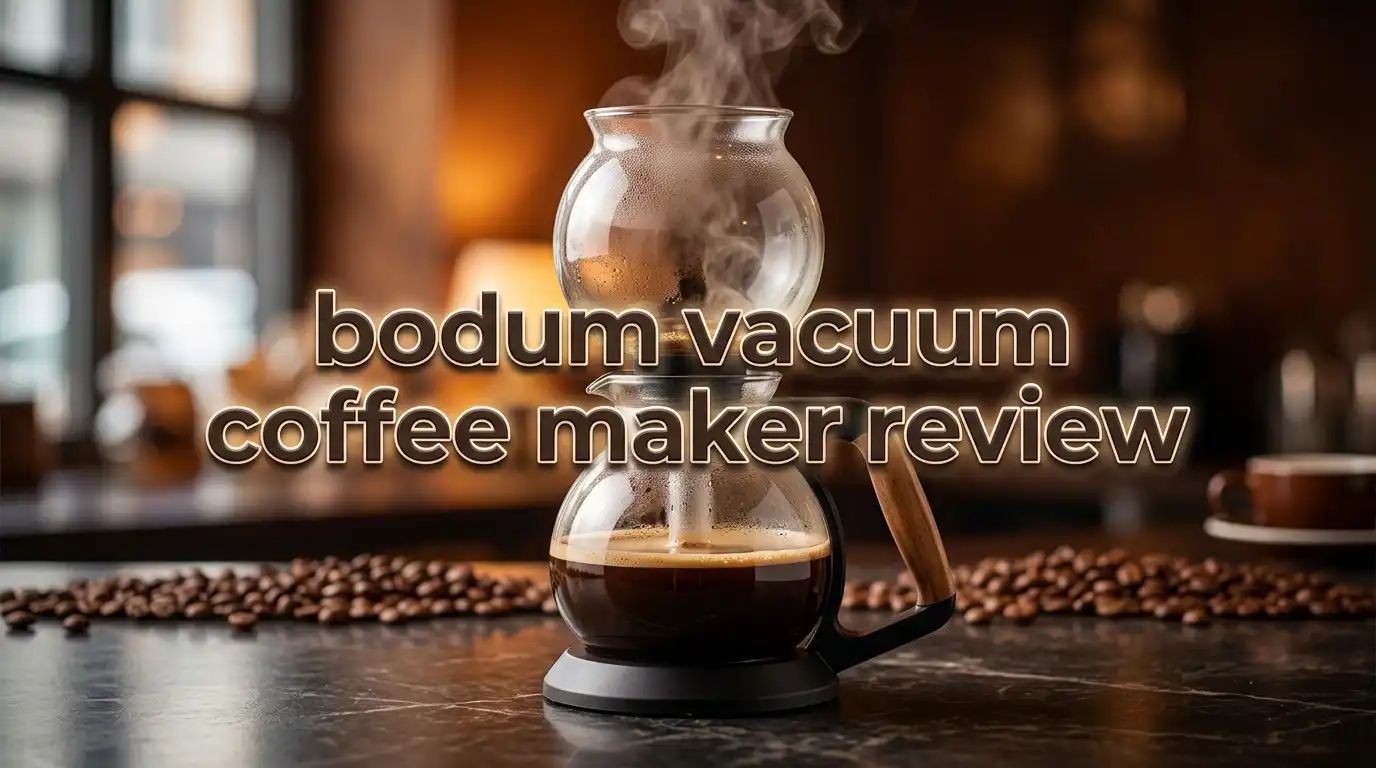
The design is simple on purpose. A lower carafe holds water, an upper chamber holds ground coffee, and a plastic filter sits between them.
Bodum has made glassware since 1944, and that experience shows. The borosilicate glass feels thick, the fit between chambers is snug, and I never saw a single leak during testing.
The handle extends far from the body, so it stays cool even over a strong gas flame. I still wish it were thicker, because the slim loop feels more stylish than comfortable when the carafe is full.
Brewing takes around ten minutes with cold water and closer to six with preheated water. Heat rises, pressure pushes water up into the coffee, and removing the pot from the burner creates the vacuum that pulls the brew back down.
The results impressed me most with medium roasts. Chocolate and caramel notes came through clearly, and the finish stayed smooth without any muddy aftertaste.
The Pebo does demand patience. Walk away at the wrong moment and you get bitter, overcooked coffee instead of the sweet cup you wanted.
Bodum ePEBO Electric Vacuum Coffee Maker

Last update on 2026-08-04 / Affiliate links / Images from Amazon Product Advertising API
The ePEBO answers the biggest complaint about the Pebo. It includes a powered base with precise temperature control, so your stove never enters the equation.
You add water, add coffee, press a button, and watch. The base heats the water, holds it at brewing temperature, then keeps the finished coffee warm for a set period.
This version makes siphon brewing repeatable. My cups tasted almost identical from one day to the next, which never quite happened on a gas burner.
The brew cycle runs about four to six minutes depending on volume. Capacity matches the Pebo at 34 ounces, so you still serve about four people comfortably.
Build quality carries over from the manual model, with the same high heat borosilicate glass chambers. The base adds a modern look that fits well next to a kettle or grinder.
The trade off is price and counter space. The ePEBO typically costs around 150 dollars, meaning you pay roughly 50 dollars more than the stovetop version.
You also lose portability. The Pebo travels to a camp stove or a friend’s kitchen, while the ePEBO needs an outlet.
For most home users who want siphon flavor without babysitting a burner, the ePEBO is the smarter pick.
How Vacuum Brewing Actually Works
Vacuum brewing sounds complicated, but the science is straightforward. Understanding it makes your coffee better immediately.
Heat turns some of the water in the lower carafe into steam. That steam expands and increases pressure inside the sealed chamber.
Pressure has only one escape route: the tube leading up into the top chamber. So the hot water climbs that tube and lands on your coffee grounds.
Now the coffee steeps in full immersion, just like a French press. Every ground sits in water the whole time, which builds strength and body.
When you remove the heat, the lower chamber cools and the steam condenses back into liquid. That drop in pressure creates suction, and the vacuum pulls the brewed coffee down through the filter.
The grounds stay behind in the upper chamber, and clean coffee sits below. You get immersion strength with filtered clarity, which is the whole appeal of this method.
Temperature matters more than most people realize. Water above 205 degrees Fahrenheit extracts harsh compounds, so lowering the flame right after the climb protects the flavor.
That single habit separates a great siphon cup from a bitter one. The ePEBO handles it automatically, while the Pebo asks you to do it yourself.
Top 3 Alternative for Bodum Vacuum Coffee Maker

Last update on 2026-07-20 / Affiliate links / Images from Amazon Product Advertising API

Last update on 2026-07-20 / Affiliate links / Images from Amazon Product Advertising API

Last update on 2026-08-04 / Affiliate links / Images from Amazon Product Advertising API
Design, Materials, and Build Quality
Bodum built its reputation on glass, and the Pebo shows why. The chambers are thick, clear, and free of the seams or bubbles you see in cheaper brewers.
Borosilicate glass handles rapid temperature swings without cracking. That property matters here, because the brewer goes from room temperature to boiling within minutes.
The seal between chambers is the most important detail on any siphon. Bodum uses a silicone gasket that grips firmly, and my unit held pressure on every single brew.
The plastic filter clips onto a short tube under the upper chamber. Installation takes about three seconds, and it never popped loose during use.
The frame is stainless steel with a chrome or matte black finish depending on the version. Fingerprints show on the chrome, so keep a cloth nearby if you care about photos.
Weight feels balanced when empty and slightly nose heavy when full. Pour slowly and the coffee streams cleanly without dribbling down the side.
One honest warning: this is still glass. Borosilicate resists heat, not gravity, so a drop onto tile ends the story.
Bodum sells replacement chambers and filters, which extends the life of the brewer considerably. That parts support is a quiet advantage over unbranded siphons.
Taste Test: What the Coffee Is Like
Flavor is the whole reason to buy a siphon, so I brewed the same beans three ways for comparison. I used a washed Colombian medium roast for every test.
The Bodum Pebo cup came out bold, sweet, and noticeably aromatic. Steam carried the smell across the kitchen before the first sip.
Compared to pour over, the siphon cup had more weight on the tongue. Compared to a French press, it had far more clarity and no sediment at the bottom.
The plastic filter lets slightly more oil through than cloth. That gives the Pebo a fuller body than a Hario Technica brewing the same beans.
Acidity stayed bright rather than sharp. Fruit notes in a Kenyan light roast came through clean, which surprised me for a stovetop brewer.
Dark roasts worked too, though they need a gentler flame. Push the heat and you taste ash instead of chocolate.
Bitterness is the main risk, and it is almost always a heat problem. Start with hot water, drop the flame as soon as the climb begins, and lift the pot off the burner during the steep.
Do those three things and the Pebo produces coffee that easily competes with a good cafe pour over.
Step by Step: Brewing With the Bodum Pebo
This routine gave me the best results after dozens of attempts. Follow it closely the first few times, then adjust to taste.
Clip the plastic filter onto the tube of the upper chamber. Tug it gently to confirm it sits flat and centered.
Boil water in a kettle and pour 34 ounces into the lower carafe. Preheated water cuts brew time nearly in half and reduces the risk of scorched coffee.
Dry the outside of the carafe completely. Water on hot glass creates stress, and stress creates cracks.
Set the carafe on medium heat and seat the upper chamber firmly on top. Add 50 grams of medium fine ground coffee to the upper chamber.
Watch for the climb. Once water starts rising, lower the heat right away so the brew never boils hard.
Stir gently once with a bamboo paddle to wet every ground evenly. This one step improves extraction more than any grinder upgrade.
Let the coffee steep for about 90 seconds, then remove the brewer from the heat. The vacuum forms within a minute and pulls the coffee down.
Lift off the upper chamber and serve immediately. Total time runs six to ten minutes depending on your starting water temperature.
Grind Size, Dose, and Water Tips
Small changes here create big flavor changes. These are the numbers that worked best in my kitchen.
Use a medium fine grind, slightly coarser than table salt and finer than a French press grind. Too fine and the filter chokes, too coarse and the cup tastes thin.
Stick to a ratio near 1 gram of coffee for every 16 grams of water. For a full 34 ounce batch, that means roughly 60 grams of coffee.
Weigh your coffee instead of scooping it. Scoops vary by roast density, and that variance shows up in the cup.
Water quality matters as much as beans. Filtered water with moderate mineral content extracts sweetness, while distilled water tastes flat and hard water tastes dull.
Aim for water at 200 degrees Fahrenheit entering the upper chamber. A gentle flame keeps it there, while a roaring flame pushes past 212 and strips out harsh notes.
Fresh beans make the biggest difference of all. Coffee roasted within the last three weeks produces the aroma this brewer is known for.
Never brew less than half capacity. With too little water, the vacuum weakens and the drawdown stalls, leaving coffee stuck in the top chamber.
Grind right before brewing whenever possible. Ground coffee loses aroma within minutes, and siphon brewing highlights aroma above everything else.
Cleaning and Long Term Care
Cleaning is where the Bodum quietly beats most rivals. I tested several siphons, and this one takes the least effort by a wide margin.
Both glass chambers are dishwasher safe. Place them on the top rack and skip the heated dry cycle to be safe.
The plastic filter rinses clean under the tap in seconds. Cloth filters trap old grounds and need refrigerated storage in water, so this is a real daily convenience.
Dump the spent grounds while the upper chamber is still warm. They release in one clump, which keeps your sink clear.
Coffee oils build up over time and turn rancid, so deep clean monthly. A mix of warm water and a coffee equipment cleaner removes the film without scrubbing.
Avoid abrasive pads on the glass. Scratches weaken borosilicate and give bacteria somewhere to hide.
Check the silicone gasket every few months for cracks or stiffness. A worn gasket breaks the vacuum, and replacements cost only a few dollars.
Dry everything fully before storing. Trapped moisture leaves cloudy mineral spots that are hard to remove later.
Store the chambers separately rather than stacked. That habit prevents chips on the rims, which are the most fragile part of the brewer.
Pros and Cons of the Bodum Vacuum Coffee Maker
Here is the balanced view after weeks of daily use.
Pros
- Produces bold coffee with strong aroma and a clean, sediment free body that sits between pour over and French press.
- High heat borosilicate glass from a brand with eight decades of glassware experience, with tight chamber tolerances and no leaks.
- Easiest siphon to clean in this category, since both glass pieces go in the dishwasher and the filter rinses instantly.
- Generous 34 ounce capacity serves about four people, which suits weekend mornings and small gatherings.
- No paper filters, no capsules, and no ongoing consumable cost beyond coffee itself.
- Replacement chambers, gaskets, and filters are available, plus a one year warranty and responsive customer service.
Cons
- The slim handle looks better than it feels, especially when the carafe is full and hot.
- The plastic filter will bother buyers who prefer cloth or glass, and no official cloth upgrade exists.
- Brewing needs your attention for the full cycle, so it never becomes a set and forget machine.
- No heat source is included at a price near 100 dollars, while some rivals include burners.
- Induction cooktops are incompatible, and standard gas ranges benefit from a heat diffuser.
- Glass breaks, so households with young children may prefer something sturdier.
Pebo vs ePEBO: Which One Fits You
Both brewers use the same vacuum method and the same glass quality. The difference is control.
The Pebo costs less and needs a stove. You manage the flame, judge the timing, and lift the pot at the right moment.
That hands on process is either the appeal or the annoyance, depending on your personality. Coffee hobbyists love it, and busy parents usually do not.
The ePEBO adds an electric base with temperature control and an automatic cycle. You press one button and the machine handles the rest.
Consistency clearly favors the ePEBO. My stovetop cups varied slightly with flame size, while the electric cups tasted the same every morning.
Speed also favors the electric model, which finishes in about four minutes. The Pebo takes six to ten depending on your water.
Choose the Pebo if you enjoy the ritual, want to spend less, or need a brewer that works on a camp stove. Choose the ePEBO if you want reliable results with almost no skill required.
Cleaning effort is nearly identical between the two. Neither one asks much of you after the cup is poured.
Price and Value in 2026
The Bodum Pebo sells for roughly 100 dollars, placing it in the middle of the siphon market. Siphon brewers generally run between 50 and 150 dollars.
The ePEBO sits near 150 dollars, which reflects the electric base and temperature control. Prices shift with sales, so check current listings before buying.
Is the Pebo a bargain? Not quite. Paying 100 dollars without a heat source stings when a Hario Technica includes a burner at a similar price.
What you get instead is superior glass, easier cleaning, and larger capacity. Those three things matter every single day.
The Yama stovetop siphon undercuts Bodum on price and brews well. It simply feels less refined in the hand and holds less coffee.
Long term value looks better than the sticker suggests. No paper filters, no pods, and no motor to fail means the running cost is basically zero.
Bodum also backs the product with a one year warranty and sells spare parts. A brewer you can repair for ten dollars beats one you replace for eighty.
For daily drinkers who enjoy the process, the Pebo earns its price over a few years. For occasional use, a cheaper siphon makes more sense.
Who Should Buy It and Who Should Skip It
This brewer suits a specific kind of coffee drinker. Being honest about that saves you money.
Buy the Bodum vacuum coffee maker if you enjoy the brewing process itself. The eight minutes at the stove become a calm morning ritual rather than a chore.
It also fits people who host. Nothing starts a conversation faster than coffee climbing up a glass tube in front of guests.
Fans of full bodied coffee will appreciate the result. The oils that reach your cup add richness that paper filters remove.
Skip it if you need coffee within two minutes of waking up. An AeroPress or a Clever Dripper delivers similar clarity with far less effort.
Skip it if plastic touching hot water bothers you. The filter is certified safe, but preference is preference, and the Hario Technica solves that with cloth.
Skip it if you cook on induction only. The Pebo will not heat on an induction hob, so the ePEBO becomes your Bodum option.
Households with toddlers should think twice. Hot glass on a stovetop asks for supervision that busy mornings rarely allow.
Final Verdict
The Bodum vacuum coffee maker remains one of the friendliest ways into siphon brewing in 2026. It keeps the theater and the flavor while removing most of the fuss.
Coffee quality is the strongest argument. Bold, aromatic, clean cups came out of this brewer consistently once I controlled the heat.
Build quality supports that result. The borosilicate glass, tight seals, and available spare parts make it a tool you keep rather than replace.
The plastic filter and missing heat source are fair criticisms. Neither one ruined my experience, but both explain why the price feels slightly high.
The ePEBO fixes the biggest weakness by adding temperature control and one button operation. If your budget stretches to it, that model is the easier daily driver.
Rated overall, the Pebo lands around 3.9 out of 5. It loses points on value and handle comfort, and gains them back on taste and cleaning.
Buy it if brewing coffee is a hobby you enjoy. Choose the ePEBO if you want siphon flavor with automatic reliability, or the Hario Technica if cloth filters matter to you.
Either way, you end up with coffee that tastes better than your usual cup and a kitchen that smells wonderful.
FAQs
Is the Bodum Pebo the same as the Bodum Santos?
Yes. Bodum sold this brewer as the Santos for years before renaming it the Pebo. The design, capacity, and brewing method stayed the same, so old Santos guides still apply. Replacement parts are now listed under the Pebo name.
Can I use the Bodum Pebo on an induction cooktop?
No. The lower carafe is glass, so induction elements cannot heat it. Gas burners and electric coil or ceramic cooktops both work well. Buy the ePEBO if induction is your only cooking surface.
How much coffee should I use in a Bodum vacuum coffee maker?
Use about 60 grams of coffee for a full 34 ounce batch, which follows a 1 to 16 ratio. Grind medium fine, slightly coarser than table salt. Never brew below half capacity, since a weak vacuum leaves coffee stuck in the upper chamber.
Why does my siphon coffee taste bitter?
Heat is almost always the cause. Boiling water too hard or leaving the pot on the burner during the steep overcooks the grounds. Start with hot water, lower the flame the moment water rises, and remove the brewer from heat while it steeps.
Is the plastic filter safe for hot coffee?
Bodum uses a certified food safe plastic that handles brewing temperatures without breaking down. It also cleans faster and clogs less than cloth. If you prefer avoiding plastic entirely, the Hario Technica uses a cloth filter at a similar price.
How long does the Bodum Pebo take to brew?
Expect six to ten minutes for a full batch. Preheating your water in a kettle cuts that time significantly. The ePEBO finishes in roughly four minutes because its base heats water at a controlled rate.
Can I put the Bodum Pebo in the dishwasher?
Yes. Both glass chambers are dishwasher safe on the top rack. Skip the heated dry cycle and rinse the plastic filter by hand for the longest life. Deep clean monthly with a coffee equipment cleaner to remove oil buildup.

Hello! I’m Eloise Wilson, the culinary enthusiast behind SimplyCookings. Cooking is my canvas and flavors are my palette. I’m here to share easy-to-follow recipes and kitchen wisdom that will make your cooking journey joyful and delicious. Join me and let’s turn everyday meals into extraordinary experiences!